essentials
Tinned Fish for Beginners: Where to Start
What it is, why it matters, and where to begin. The shortest path from curious to confident.
What is tinned fish?
Fish that's been cooked, packed in oil or brine, and sealed in a tin. That's it. The process has been around since the early 1800s and it produces something that's genuinely shelf-stable for years without sacrificing quality.
In many cases, the fish actually improves with time, like wine.
What's changed recently is who's paying attention. Chefs, food writers, and a growing online community have rediscovered that a great tin of sardines or anchovies is just as interesting as almost anything else you can put on a plate.
A quick note on names. Tinned fish and canned fish mean the same thing, the same sealed, cooked, shelf-stable fish, but "tinned" has come to signal the better end of the category: the hand-packed Iberian and European tins meant to be eaten as they are, rather than the supermarket can headed for a casserole. In Spain and Portugal this whole world is called conservas, and it is a genuine culinary tradition, not a convenience food. The two worlds of tinned fish covers that split in depth.
Start soft, then work up to sardines
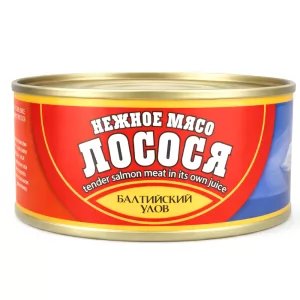
If you're new, don't start with a whole sardine. Start with a cut or a fillet, something that doesn't look back at you. Smoked trout and canned salmon are the gentlest way in: mild, firm, closer to food you already eat. Tuna belly packed in butter or good olive oil is just as easy, sometimes easier, rich and soft with nothing fishy about it.
From there, sardines are the step up, and the one worth taking. Start with sardines packed in butter, which mellows them almost completely, before moving to olive oil. This is also the moment tinned fish stops being a fillet and becomes an actual fish: skin, shine, sometimes a tail. That can be striking the first time. It's supposed to be. Eat them on good bread with a little flaky salt.
Then branch out
Once sardines click, the rest opens up fast. Each fish type has its own character:
- Anchovies - Intensely savory. The secret ingredient in everything.
- Mackerel - Richer and meatier than sardines. Underrated.
- Tuna - You already know tuna. Premium tinned tuna will surprise you.
- Octopus - Tender and meaty. A Spanish conservas staple.
- Mussels - Smoky, briny, and deeply underrated.
What's the difference between a $3 tin and a $30 tin?
Quite a lot, actually.
The cheap stuff is fine for cooking. The expensive stuff is meant to be eaten straight from the tin, ideally with something simple alongside it.
The variables that drive price are species and cut (ventresca, the tuna belly, is the most prized), oil quality (good olive oil matters), fishing method (line-caught costs more), and producer reputation. Spanish and Portuguese conservas from small family canneries sit at the top end for good reason.
Where to buy
Specialty online retailers are where the good stuff is found. Places like Whole Foods and World Market are great starting points if you want to buy in person before committing to an online order. But the very best selection is found online.
Featured retailer
AgapicoA few steps from the Sagrada Família on Carrer de Sardenya, Agápico is the trading name of the Barcelona company Casa Lepori, S.L., and dates itself to 1999 on its own account, though that company was not incorporated until March 2021.
Common first questions
Is tinned fish healthy? Generally, yes, it is high in protein and omega-3s, and the small fish that dominate the category are low in mercury. The fuller picture, mercury, sodium, and how often to eat it, is in the health guide.
How long does it keep? Years. An unopened tin stored cool is good well past its date, and oil-packed sardines can even improve with age. Is it still good? covers the details.
How do I actually eat it? Open the tin, put the fish on bread or rice, pour the oil over the top. That is the whole move. How to enjoy a fish-first tin covers the rest.